

Major high street brands say the new tech will cut down the rate of returns
Major fashion brands in the UK have begun to launch AI-powered virtual try-on tools which developers boast will reduce the number of online shoppers’ returns, but an expert is warning that the images generated are not accurate.
Virtual try-on, also known as virtual fitting, allows potential customers to ‘try on’ different garments digitally by creating 3D avatars of themselves wearing them.
Users usually have to provide photos to set up their avatars. Zara, for example, requests a selfie and a full-body front-facing photo.
The idea is that customers can see whether the items suit them before making a purchase, and cut down on the number of garments that end up being returned. But some shoppers are unconvinced.
Read more: Exercise in AI: First ever electronic PT gets Royal go-ahead
Read more: Amazon to use AI-personalised ads on Prime Video

“That doesn’t look like me.”
(Credit: Isha Mull)

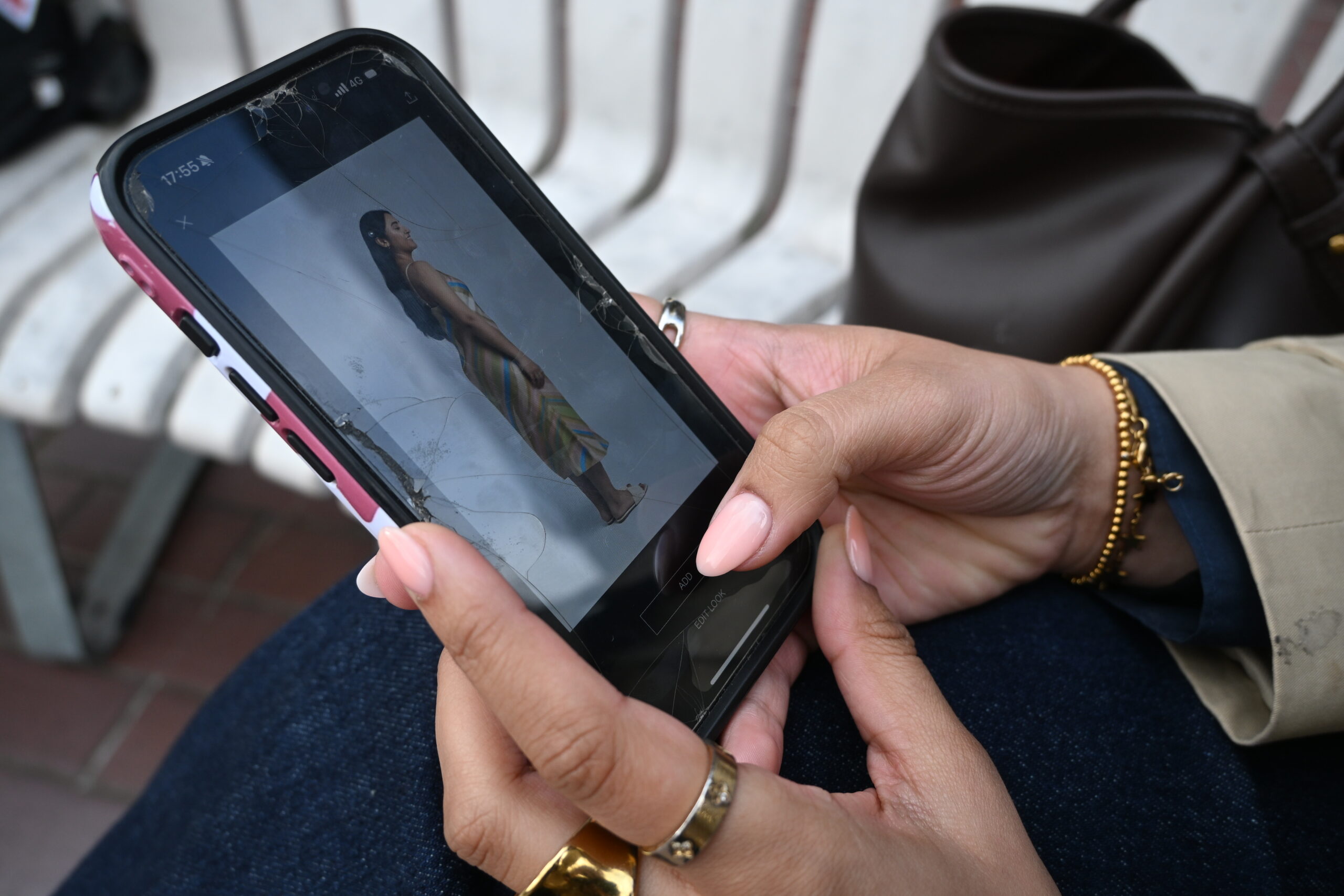
“That doesn’t look like me,” said Isha Mull after seeing her avatar on Zara’s app. She is a frequent online fashion shopper and returns half of her orders on average. She said she would avoid the apps until she felt the virtual fitting suggestions were accurate.
Dr Louise Reid, a lecturer in digital marketing at the University of Gloucestershire, who has researched 3D body scanning and virtual and augmented reality fashion retailing, said the apps may not accurately reflect how people look in the outfits.
Reid said the avatar would tend to look slimmer if the garment was designed to fit a slimmer person.
The type of clothing users are wearing the kind of data collected also matters. Reid suggested a number of things brands should request to improve the accuracy of predictions: full-body pictures from the front, back, and side, and the size the customer usually wears in the brand.
Another limitation of using the apps is that shoppers cannot feel the fabric or see how their bodies interact with garments. Reid added that loyal customers of a brand would have a better idea of how they would look and feel in a given garment, so virtual fittings would be more likely to reduce the rate of returns for this group.
She noted that the AI virtual fitting apps do not address a major contributor to returns: the free return policy.
Zara, which launched virtual try-on half a year ago did not reply to requests for comment on returns.
Featured image credit: Joyce Lai
