

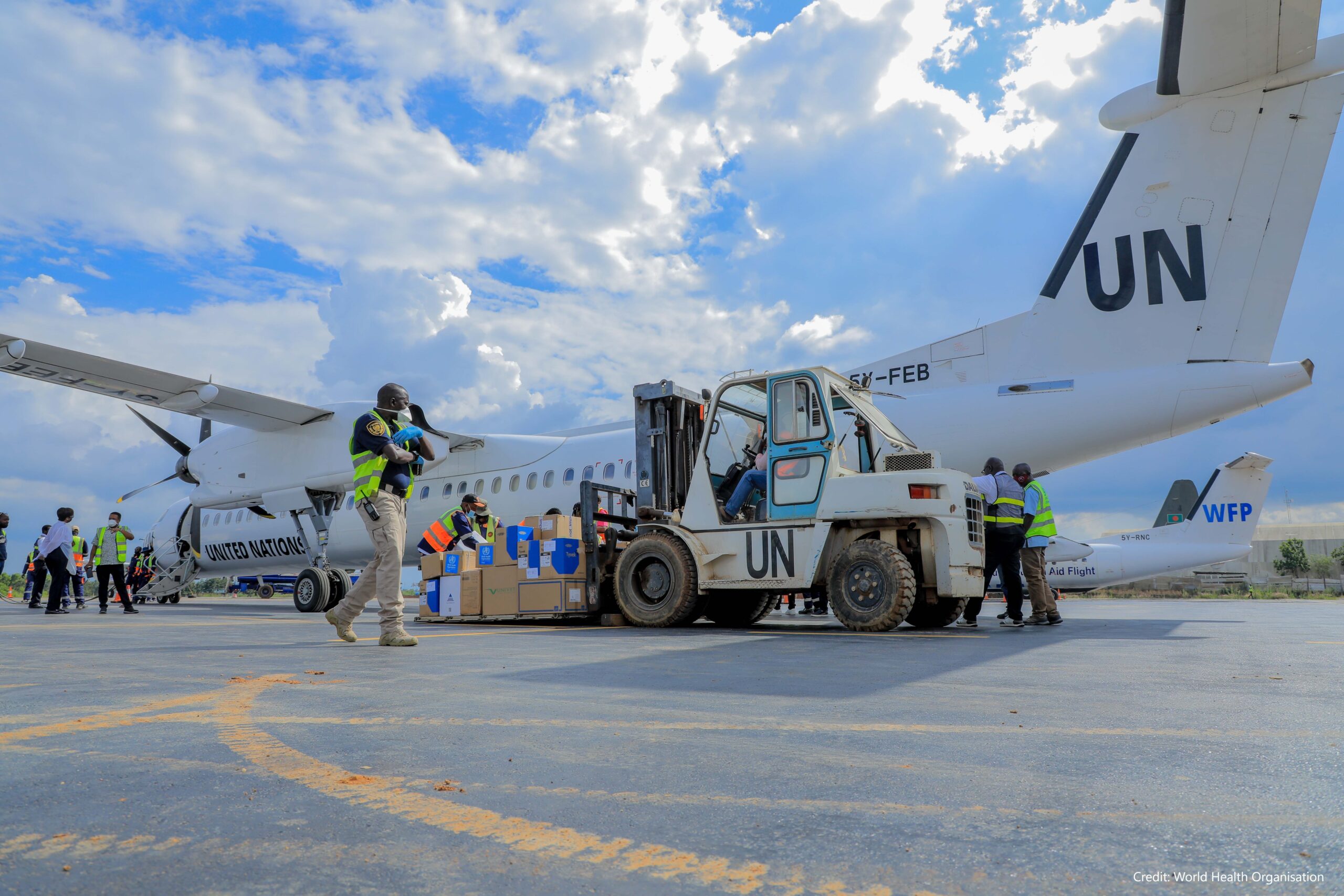
Inadequate diagnostic equipment may have hindered early containment efforts.
The Coalition for Epidemic Preparedness Innovations (CEPI) has today announced urgent funding to the tune of $60 million to fast track the development of three candidate vaccines targeting a rare strain of Ebola as the WHO announced on Sunday that 5 patients have been discharged from hospital after recovering from the virus.
According to CEPI’s announcement, the Oxford Vaccine Group that developed a Covid-19 vaccine is one of the recipients of the funding to find a vaccine for Bundibugyo Virus Disease (BVD), which is confirmed to have infected at least 134 people. Initial responses to the outbreak was hampered by a lack of surveillance and diagnostic tests.
Eleven days after the WHO was notified of an outbreak of a high-mortality illness in the Demoratic Republic of Congo’s Ituri Province, the organisation reported the disease to be BVD, a rare, but dangerous strain of the Ebola virus.
The three-week gap between suspected first infection on the 24th of April, and official detection alarmed health officials and experts.
Dr Connor Bamford, a virologist at Queen’s University Belfast, said: “This instance raises concerns over gaps in our diagnostics and surveillance in the places where we need it the most for Ebola, and other rare but impactful diseases.”
Read more: US to get EU citizens’ sensitive biometric data in new deal on visa waiver scheme

“Ebola is caused by at least four distinct species and there is limited cross reactivity between them in standard PCR tests,” he added.
It is estimated that formal identification was delayed by two days – a crucial window during which containment could have begun.
“Prevention and control at the source is crucial for effective control and elimination” Bamford said. “Support for international coordination via the likes of WHO, as well as bolstering local public health is necessary, alongside continued research into the disease to develop much-needed vaccines and medicines. I think the main lesson is for us to remember the lessons we were taught in previous outbreaks like this.”
Currently, there are no approved therapies for Bundibugyo virus, unlike the other strains of Ebola. The experience of Covid-19 has helped to accelerate vaccine development. The Oxford University team said their candidate vaccine could be ready within two to three months.
Featured image credit: CDC – Public Health Image Library (PHIL)
