

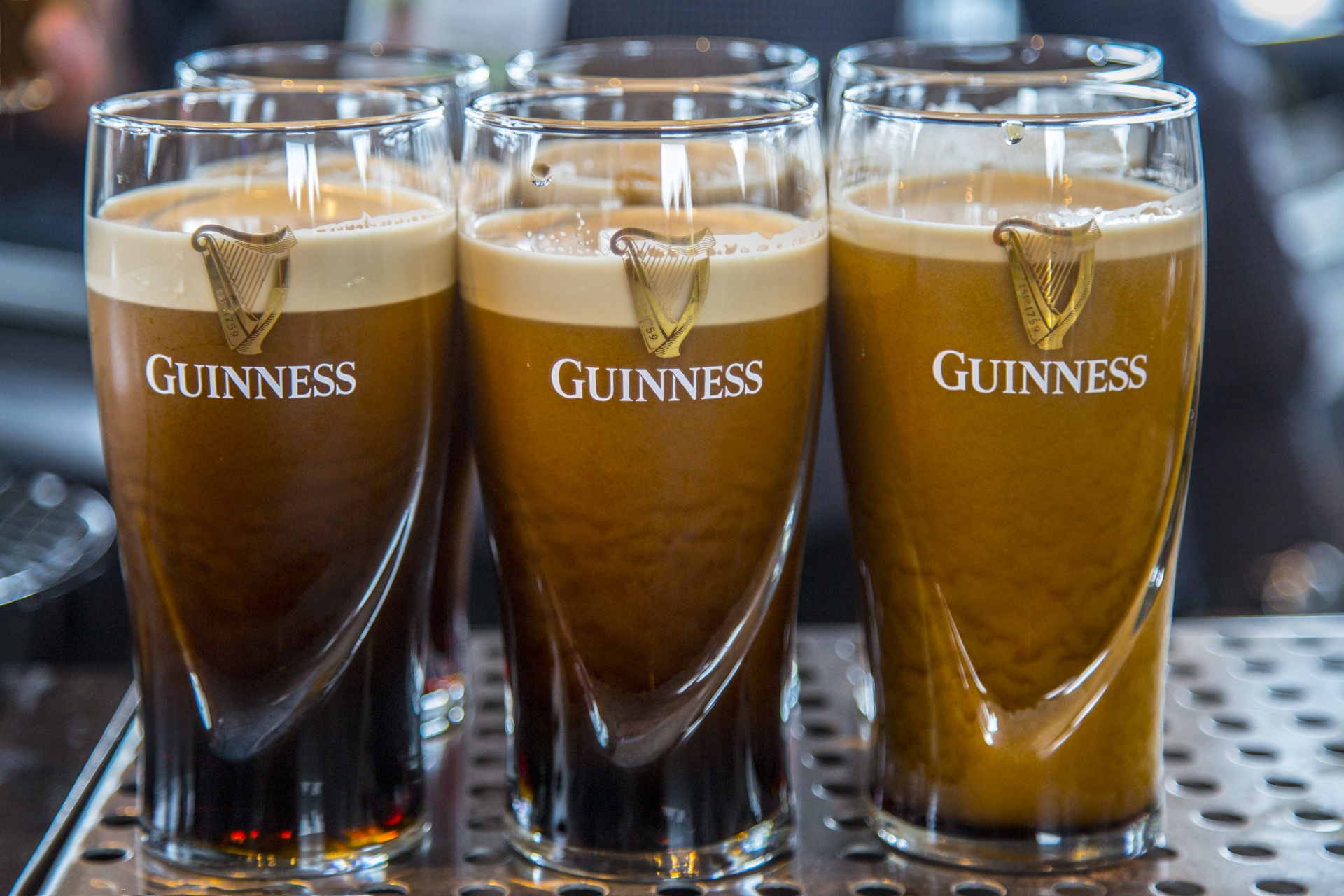
A new wave of AI-powered tools is providing consumers with real-time price transparency, changing the way we spend our money at the pump and the pub
Matt Cortland was sitting at the bar of a busy Dublin pub when something clicked. He had ordered a Guinness – €7.80 (around £6.70) – knowing perfectly well that the exact same pint was available just two doors down for almost €2 (£1.70) less. He knew that because he had lived in the city for years. But most other punters didn’t, and there was nowhere they could go to find out.
That moment proved the inspiration for Guinndex, an online tool tracking the price of a pint of the black stuff across Ireland. An AI engineer by trade, Cortland used a voice agent – named Rachel, after the winner of The Traitors – to ring up thousands of pubs and collect a trove of price data.


The project took him one long weekend and €200 (or £173) of his own cash – work that, as Cortland points out, would have once required months of surveys and a hefty six-figure budget. “One engineer and one researcher who know what they are doing with AI can now stand up national-scale infrastructure in days,” he explains.
The tool quickly took on a life of its own in Ireland, where the price of a Guinness has long served as an unofficial barometer of the state of the economy. When Cortland decided to extend Guinndex to the UK in April, the response was much the same.
“There’s so much bad news in the world around technology all the time, so it’s nice to make something people really enjoy,” he says. “To be honest, it’s just really, really fun.”
Guinndex sits at the lighter end of a much broader shift, whereby a new generation of AI-powered tools are providing customers with real-time price transparency. That means smarter spending choices and a shift in the power dynamic with businesses.
Tom Houseman, a Londoner who used AI to build the pint-tracking app PintPal without any prior coding experience, likens the impact of that subtle change to what economists call the “perfect market”: a theoretical situation where buyers have complete information about prices before making a purchase.
It is an appeal he understands instinctively. He remembers a boozy Christmas night out around Soho – 12 pubs, a beer in each – and waking up the next morning staring at his bank statement, baffled by the difference in price from place to place. As he points out, “one of the weird things about pubs is you usually pay after you order – you don’t really know the price until after you tap your card”. Apps like his mean customers now have the opportunity to know, if they so wish.
The same logic applies when the stakes are higher. Fuel is, of course, less optional than a Friday night pint. For that, Norfolk-based software developer Scott Benton has the solution.
Earlier this year, he launched Fuel Finder after the government opened up its real-time forecourt pricing data. What began as a side project quickly exploded in popularity, soaring from a handful of daily visits to more than 50,000 users by Easter. The app tracks price changes every five minutes, quietly revealing what he criticises as “questionable pricing practices”: lunchtime price surges, clusters of stations upping prices in near-perfect synchrony, costs that shoot up quickly yet are suspiciously slow to fall.
For Benton, transparency in pricing is “never a bad thing.” Consumers, he argues, should know exactly how and when fuel costs are changing.
The businesses are watching, too. Benton says that petrol station managers have started using Fuel Finder to monitor nearby competitors, not necessarily to undercut them, but to justify raising their own prices.
“That is the adverse effect of transparency – it’s a double-edged sword,” he admits. Cortland has spotted the same dynamic playing out in the pub trade.
Yet something has undeniably shifted. Cortland, Houseman and Benton were able to build their platforms within days on a minimal budget, because AI put tools that once belonged to the few into the hands of anyone with a good idea and a free weekend. The old information gap is closing, one pint at a time.
Featured image: Three pints of Guinness. Credit: George Hadon
