

A new tool will scan existing climate research to help companies innovate
The environmental risks from the rapid scale-up of AI are well-documented, but scientists at two of the UK’s top scientific institutions have shown a new AI platform that can help to find solutions that can help tackle climate change.
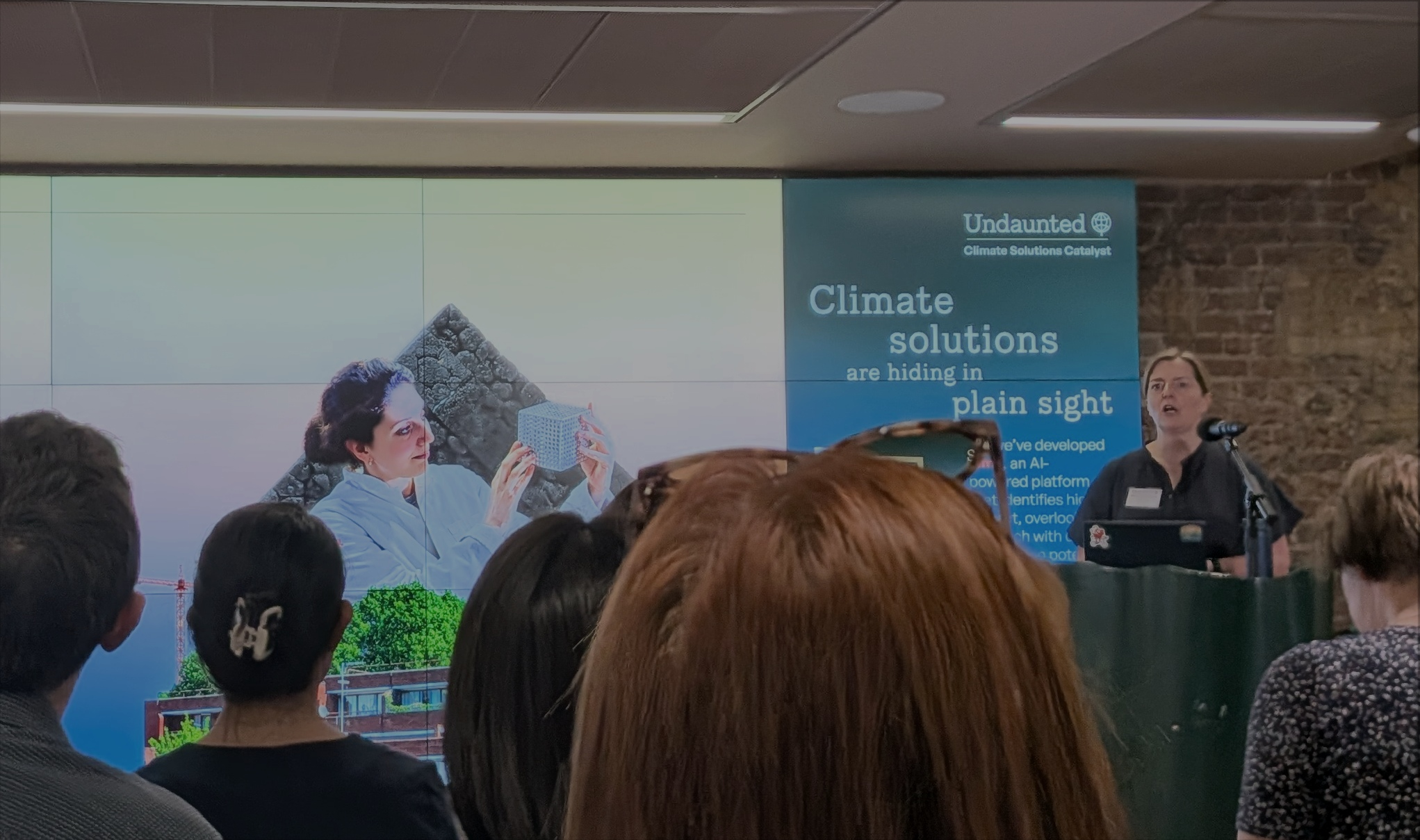
Researchers at yesterday’s Climate Solutions Catalyst (CSC) summit, co-organised by Imperial College and the Royal Institute, introduced Alma, a tool designed to scan and identify research that could boost climate innovation.
The group’s Innovation Lead, and head of CSC Claire Lowe, said: “What we’ve been trying to achieve through the Climate Solutions Catalyst summit is to find hidden research that might unlock solutions to climate change and support that research in accelerating its journey out of the lab and towards commercialisation”.
Read more: TFL rebuffs calls for autonomous trains before latest strikes
“We’ve been trying to […] find hidden research that might unlock solutions to climate change”


According to the organisers’ website, using large language models and data analytics, alma has helped identify over 70 key innovation hubs working on deep tech solutions to environmental pollution.
The CSC summit aimed to attract attendees from industry, venture capital, academia, public bodies and investment.
Thomas Panton, a member of a climate tech venture capital fund called Endgame capital, said: “I’m super interested in alma for finding overlooked tech that could be commercialised. It’s something that climate tech Venture Capitals themselves spend tons of time trying to do.”
Those behind alma are hoping it can offer a vision for how AI can have a positive effect on the climate. Analysis from Morgan Stanley found that by 2030, annual carbon dioxide emissions from data centres are predicted to be triple what they would have been without the AI boom.
All photo credit to Ben Fearon.
