

New technology leaving local farmers struggle to stay afloat
British farming is increasingly being pushed toward a high-tech future. From AI-powered crop analysis to robotic harvesters, agricultural technology companies promise farmers greater efficiency and protection against climate instability.
But for many farmers already struggling to stay profitable, those technologies remain financially unrealistic.
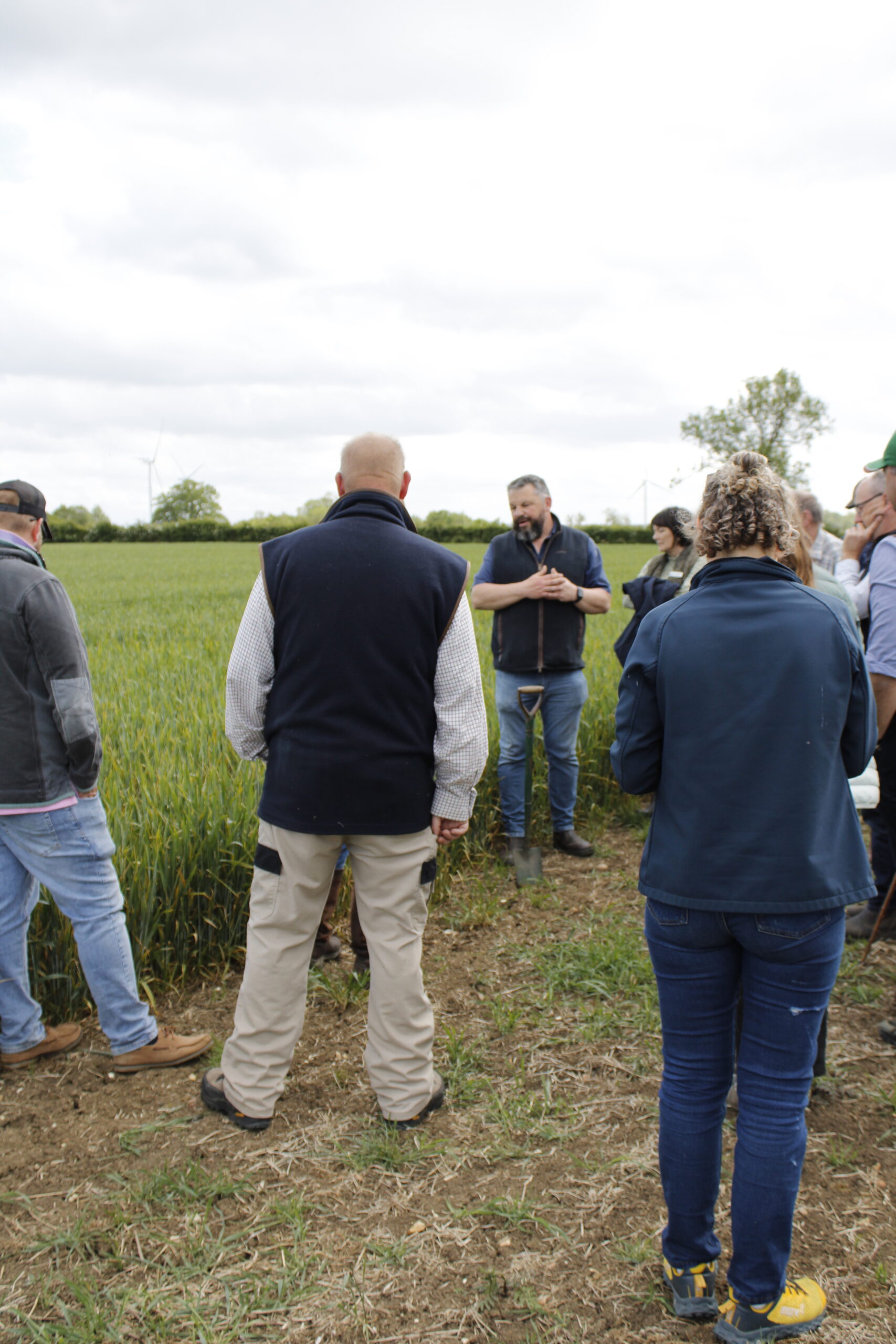
“It’s about looking at what assets we’ve got,” says Andrew Mahon, farming manager of Bromborough Estate Company. “Farming’s not making any money on its own, so you’ve got to do different things with it.”
Mahon has spent the last 13 years shifting his farm toward regenerative practices: reducing chemical inputs, machinery use and intensive farming methods in favour of improving soil health and lowering costs. For him, the move was driven by financial survival and environmental concerns.
“We were regenerative from using less inputs, less sprays, less machinery,” he says. “None of the guys with a big research budget were going to support it.”
Agriculture remains one of the UK’s largest industries, with 69 per cent of the country’s land used for farming. Yet rising operational costs, climate instability, labour shortages and fluctuating crop prices have left many farms under severe financial pressure. Government data shows the average level of liabilities (i.e. debt) reached £302,000 per farm in 2024 to 2025.
At the same time, the UK Government is investing heavily in agricultural innovation. In April, finance minister Dame Angela Eagle announced around £50m in public and private funding will be used to accelerate technologies including robotics and AI-powered crop management systems, saying that the funding would help “boost productivity, strengthen resilience and help secure the future of British agriculture”.

For younger people entering the workforce, agriculture is being rebranded as part of the UK’s growing tech economy. Universities and apprenticeships are increasingly offering programmes in agricultural robotics, environmental data science and automation systems.
Yet Mahon says many of the technologies being promoted across the sector are simply not feasible for average farms already operating on narrow margins.
“I’m very wary of investing in tech for tech’s sake,” he says.
Instead, he adopts technologies selectively, only when they provide direct savings. Mobile soil-testing systems, for example, allow him to analyse crop nutrients directly in the field and reduce unnecessary fertiliser use.
“That’s a great bit of tech,” he adds. “I can actually make savings.”
Innovations like GPS-guided tractors have also improved efficiency on the farm. But Mahon believes many farmers are becoming sceptical of companies attempting to commercialise sustainability trends through expensive “natural” products and consultancy services.
“You’ve got to be quite careful,” he warns.
“The only way to make money in farming is to diversify”
While smaller farms attempt to cut costs, larger corporations are continuing to invest heavily in automation. Dyson Farming, owned by inventor James Dyson, has developed large-scale biodigester systems, robotic technologies and high-tech strawberry glasshouses inspired by systems used in the Netherlands.
According to Peter Willoughby, Dyson’s farm manager, crops grown on their Lincolnshire farms feed biodigesters that generate electricity for both the farms and their glasshouse operations, creating a largely self-sustaining system.
The company has expanded beyond traditional cereal farming into potatoes, energy production and large-scale strawberry operations. Robots capable of continuously picking strawberries during harvest periods are already being developed to reduce labour costs.
But Willoughby acknowledged that this level of innovation requires enormous investment. “The only way to make money in farming is to diversify,” he says. “To not do it is to fail.”
For many independent farmers, however, diversification itself can be financially out of reach.
Mahon believes the future of smaller farms may depend less on competing with corporations and more on collaboration, shared machinery and community-supported agriculture projects that allow farmers to survive without massive technological investment.
“Farmer-to-farmer learning is probably better, because you’re hearing what worked for someone else,” he says. “I’m not trying to sell a product.”
As climate pressures and economic instability continue reshaping British agriculture, technology may increasingly define the future of food production. But for many farmers, the question is not whether the technology works – it is whether ordinary farms can afford it at all.
Featured image Credit: Rachel Schmid
